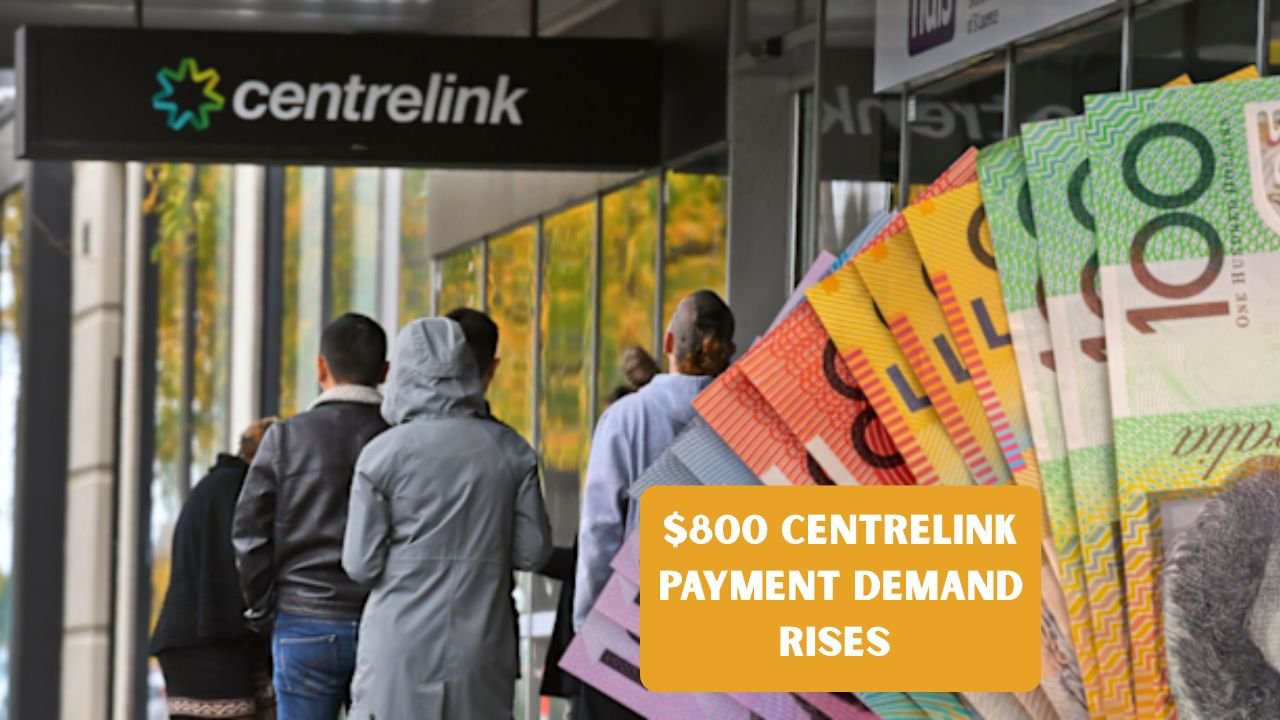
The Australian economic landscape in late 2025 has reached a critical tipping point for millions of low-income earners and welfare recipients. As the cost of essential goods—from groceries to electricity—continues to climb, a growing chorus of advocates, social services, and struggling citizens is calling for a substantial increase to the JobSeeker payment. Specifically, the demand for a base rate of at least $800 per fortnight has gained significant momentum. This movement is not just about a numerical increase; it represents a desperate plea for a “liveable” safety net as the gap between welfare support and the actual cost of survival reaches an all-time high.
The Reality of the $800 Fortnightly Target
For years, the JobSeeker payment (formerly Newstart) has been criticized for being one of the lowest unemployment benefits in the OECD. While the federal government has implemented incremental indexation increases, the current single rate of approximately $793.60 still falls short of what many economists consider the poverty line. Advocacy groups like the Australian Council of Social Service (ACOSS) argue that a $800 floor is the absolute minimum required to prevent homelessness and food insecurity. The push for $800 is seen as a psychological and financial milestone—a symbolic threshold that moves the conversation from “subsistence” to “survival.”
Comparing Current Rates and the Cost of Living
To understand why the demand for $800 is so urgent, one must look at the disparity between current payment levels and the escalating costs of basic needs. While indexation occurred in September 2025, the resulting boost was quickly swallowed by rising rents and energy prices. Below is a breakdown of the current JobSeeker payment rates as of late 2025 compared to the proposed shifts demanded by advocacy groups.
| Recipient Status | Current Fortnightly Rate (Approx.) | Proposed Target Rate | Estimated Gap |
| Single, no children | $793.60 | $850.00+ | $56.40 |
| Single, with children | $849.90 | $920.00+ | $70.10 |
| Partnered (each) | $726.50 | $800.00+ | $73.50 |
| Single, 55+ (after 9 months) | $849.90 | $920.00+ | $70.10 |
A Tightened Job Market Adds to the Strain
While headline unemployment figures in 2025 appear stable at around 4.3%, the statistics mask a more troubling reality: the rise of underemployment and the “hidden” job crisis. Many Australians on Centrelink are not simply “between jobs” but are trapped in a cycle of casual, insecure work that does not provide enough hours to cover bills. Furthermore, the 2025 job market has seen a decrease in entry-level vacancies in sectors like retail and hospitality, making it harder for long-term JobSeeker recipients to transition back into the workforce. This lack of opportunity makes the adequacy of the safety net even more vital.
The Rental Crisis and Housing Stress
Housing remains the single largest expense for Centrelink recipients, with many spending upwards of 50% to 60% of their total income on rent. Despite a 15% increase in Commonwealth Rent Assistance (CRA) earlier in the year, vacancy rates in major cities like Sydney, Melbourne, and Brisbane remain at historic lows. For a single person on JobSeeker, finding an affordable room in a shared house is becoming a statistical impossibility. Advocates argue that without a base payment of $800, the CRA increase is merely a band-aid on a much deeper wound, as the total pool of funds is still insufficient to cover median rents.
The Psychological Toll of Poverty
Living on the edge of financial ruin takes a massive toll on mental health.1 In late 2025, social workers have reported a sharp rise in “poverty-related anxiety” among clients. When every cent is accounted for, any unexpected expense—a broken fridge, a car repair, or a medical bill—can lead to a total collapse of the household budget. This constant state of high-alert stress hinders a person’s ability to search for work effectively. A higher payment rate would provide the “financial breathing room” necessary for individuals to focus on long-term career goals rather than daily survival.
Government Response and Fiscal Constraints
The Albanese Government has consistently defended its approach, citing the need to balance welfare increases with inflationary pressures. The 2025-26 Budget focused on “targeted relief” rather than broad-based payment hikes, offering energy rebates and cheaper medicines.2 However, critics argue that these measures do not address the core issue: the base rate of JobSeeker is fundamentally disconnected from the cost of a basic shopping basket. As the 2025 election cycle approaches, the pressure on all political parties to commit to a more substantial welfare overhaul is reaching a fever pitch.
Looking Ahead: The Future of Social Security
As we move into 2026, the debate over the $800 payment demand is likely to intensify. The social contract in Australia is being tested by an economy that rewards wealth and property while penalizing those at the bottom. Whether through a direct increase to the JobSeeker rate or a more radical restructuring of the social security system, the consensus among experts is clear: the current status quo is unsustainable. For those living it, the $800 demand isn’t about politics; it’s about the simple right to live with dignity in a country as wealthy as Australia

FAQs
Q1. Is there an official $800 payment currently available?
No. While there are strong demands from advocacy groups to raise the base JobSeeker rate to $800 or more, the official single rate remains below this threshold for those without children.3 Always check the Services Australia website for the most current rates.
Q2. When do Centrelink payments typically increase?
Most social security payments are indexed twice a year, usually in March and September, to keep up with the Consumer Price Index (CPI). Some student and youth payments are indexed annually on January 1st.4
Q3. What other support is available during the cost-of-living crisis?
Beyond the base payment, eligible recipients may access Commonwealth Rent Assistance, energy bill rebates (often applied directly to utility accounts), and Pharmaceutical Benefits Scheme (PBS) concessions for cheaper medications.5
Disclaimer
The content is intended for informational purposes only. you can check the officially sources our aim is to provide accurate information to all users.